GT Podicles - Archives
Listen to previous GT Podicles by clicking on the icons below!
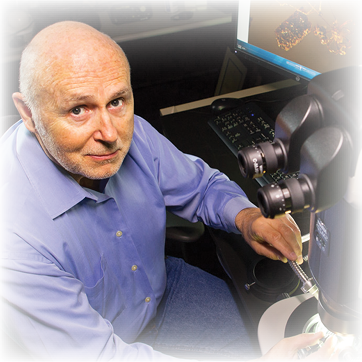
In our inaugural GT Podicle #1, David and Jane talk about John Koivula, a highly respected figure in the field of gemmology who has
dedicated over fifty years to studying and photographing gemstone inclusions. His photographic documentation of inclusions is considered an invaluable
resource for gemmologists, effectively replacing the need for physical samples with his iconic Photo Atlas of Inclusions in Gemstones and The Micro
World of Diamonds.
To download the full interview with John Koivula as a non-printable PDF, please click here.
In GT Podicle #2, David and Jane talk about Geoffrey Dominy, founder and CEO of the World Gem Foundation and his new 5th edition of the
‘Handbook of Gemmology’ that has recently been published as a three-volume set in both digital and print formats and has been lauded as one of the most
comprehensive resources in the field of gemmology.
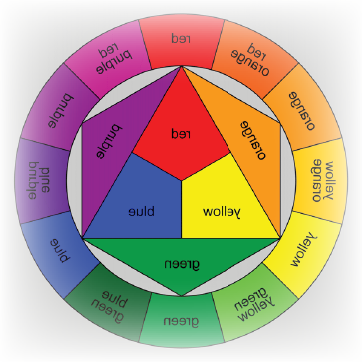
In GT Podicle #3, David and Jane explore colour, encompassing its physical properties, perception, and reproduction while exploring how humans and animals perceive colour through the electromagnetic spectrum and the varying sensitivities of cone cells. They also look at colour vision deficiencies, colour reproduction methods, the concept of optimal colours, the cultural associations, terminology, and the effects of colour on cognition, revealing colour’s profound influence on art and human experience.
In GT Podicle #4, David and Jane start a three-part series on how colour in gemstones is evaluated based on hue, tone, and saturation, the electromagnetic spectrum, the importance of standardising light, how gemstones handle light, and colour grading systems past and present including Gemewizard, Gem Dialogue, World of Color, and ColourWise focusing on how each system employs unique approaches to categorising hue, lightness/darkness (tone), and intensity (saturation).
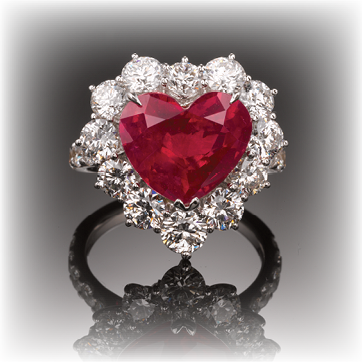
To download the full article on Coloured Gemstone Grading (Part One) - Colour as a non-printable PDF, please click here.
In GT Podicle #5, David and Jane continue their three-part series on the grading of coloured gemstones. This time, they look at ‘clarity’ and how the different growth environments impact on the level of inclusions. They also examine the different grading systems (including G.I.A, GemDialogue, World of Color /AGL and ColourWise) to see how they approach the clarity grading of coloured gemstones.
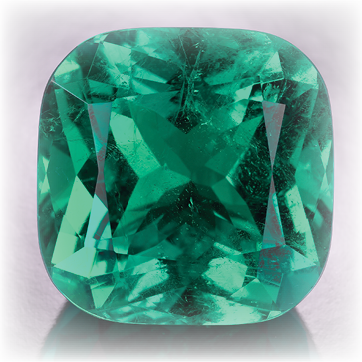
To download the article as a non-printable PDF, please click here.
In GT Podicle #6, David and Jane complete their look at the grading of coloured gemstones by examining cut. Specifically how cutters balance artistry with economics, striving for brilliance while considering weight retention and market demands.They also examine the different grading systems (including G.I.A, GemDialogue, World of Color /AGL and ColourWise) to see how they approach the cut grading of coloured gemstones.
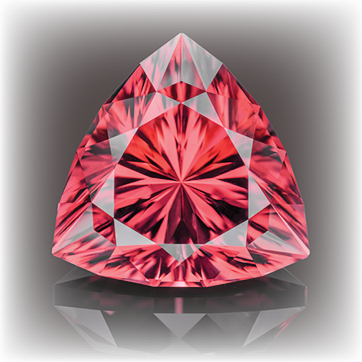
To download the article as a non-printable PDF, please click here.
In GT Podicle #7, David and Jane switch gears and look at the grading of diamonds. In Part One, they will focus on three of the four ‘C’s’ (clarity, colour and cut), the terminology that is used and the methodology. In Part Two, they will look at seven different grading systems (GIA, AGS, HRD, IGI, EGL, AGA and IDC), focusing on their similarities and differences.
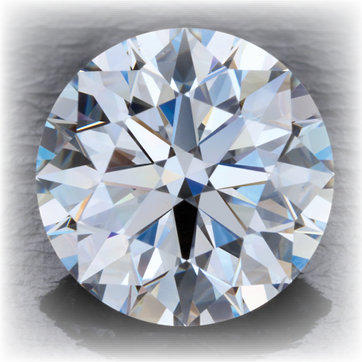
To download the article as a non-printable PDF, please click here.
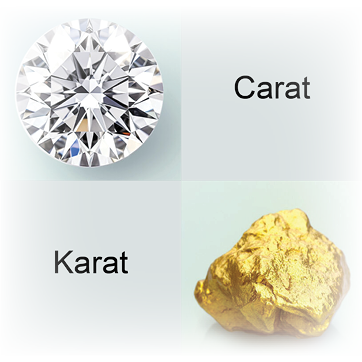
In GT Podicle #8, David and Jane talk about the final ‘C’ - carat and explain the difference between ‘karat’ and ‘carat’, two homophones with distinct and very different meanings in the jewellery industry that so often cause confusion with consumers.
To download the article as a non-printable PDF, please click here.
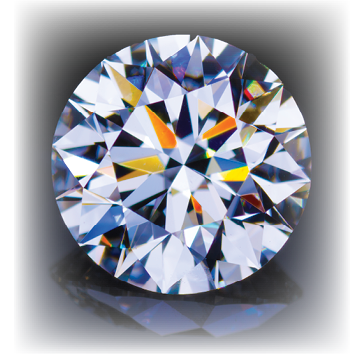
In GT Podicle #9, David and Jane look at ‘Objective Diamond Clarity Grading’, a technique for clarity grading diamonds pioneered by Michael Cowing. ODCG is an A.I System that is comprised of largely objective metrics that imitate the techniques of expert graders allowing novice graders to confidently clarity grade diamonds to G.I.A standards within hours!
To download the article as a non-printable PDF, please click here.
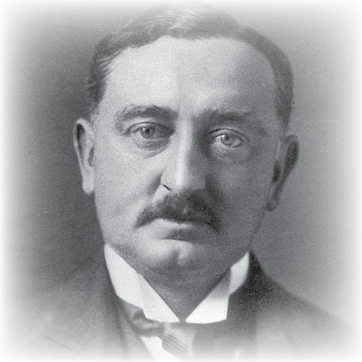
In GT Podicle #10, David and Jane discuss the life and times of Cecil John Rhodes, founder of industry giant De Beers and with the recent announcement by Anglo American that they intend to sell De Beers and divest themselves of the diamond sector. Will De Beers be forever? Only time will tell!
To download the article as a non-printable PDF, please click here.
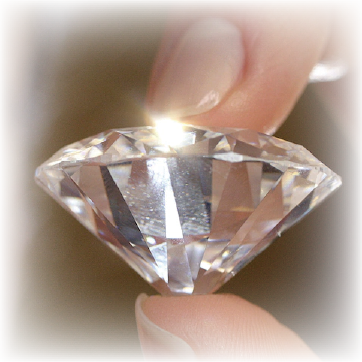
In GT Podicle #11, David and Jane look at a diamond industry in turmoil. While natural diamonds retain their historical significance, perceived rarity, and association with luxury, lab-grown diamonds have gained significant traction due to their affordability, increasing consumer acceptance, and technological advancements. In this war of words, there are strong opinions on both sides.
In GT Podicle #12, David and Jane look at the contrasting opinions of gemstone treatments with some focusing on market integrity, the preservation of rarity value, and the spiritual significance attributed to natural, untreated gemstones, while others champion the increased accessibility and affordability that treatments provide, arguing that they represent a positive intersection of nature and science. Regardless, three things are important; honesty, transparency, and that buyer’s understand what they are purchasing.
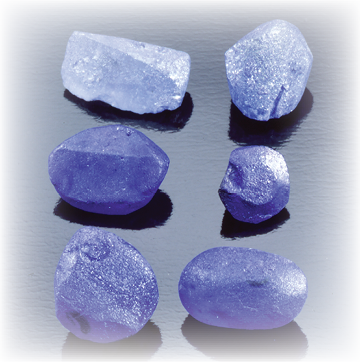
In GT Podicle #13, David and Jane take an indepth look at rubies and sapphires and the very unique and special ‘family’ they belong to called corundum. They will look at their physical and optical properties, explore their historical and cultural significance across various civilisations, examine their geological formation, their chemical composition, why the same mineral can produce a stunning array of colours, their inclusions, optical phenomena, absorption spectra, pleochroism, fluorescence, synthesis, treatments and enhancements, and how to properly care for them. There is so much to discover!
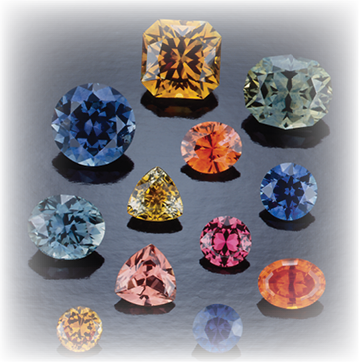
In GT Podicle #14, David and Jane take an indepth look at the ‘Beryl’ family, focusing on emerald but also on aquamarine, yellow, pink and red beryl. During this podicle, they explore the physical and optical properties of various beryls, their geological formation and mining locations around the world, highlighting the historical significance and modern production methods, particularly in Colombia and Zambia. They also discuss what gives beryls their different colours, common inclusions and phenomena, lab-created versions, treatments, and enhancements, and how to care for them.
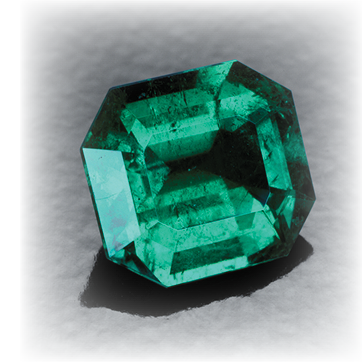
In GT Podicle #15, David and Jane take an indepth look at the GemQuest High Performance Gemmological Scholarship program. This exciting initiative between the World Gem Foundation and GemQuest will offer 1500 scholarships each year over a ten year period. The philosophy behind this initiative is quite simple. Education should be a right, not a privilege. Divided into two levels, in Level One, students accumulate ‘points’ through tests and webinar attendance that ultimately determine the level of sponsorship they receive in Level Two.
To download the GemQuest Gemmological Scholarship brochure, please click here.
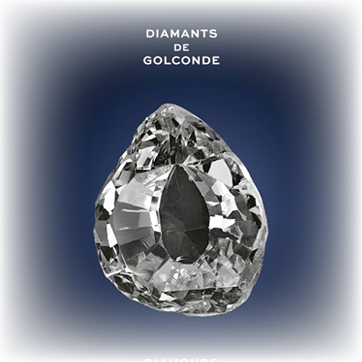
In GT Podicle Audio Book Review #1, renowned author Richard W. Wise looks at ‘Diamonds of Golconda’ by Capucine Juncker. His conclusion? If you are intrigued by diamond history, early Indian civilization, and the personalities of its rulers, you simply must add this book to your gemmological collection!
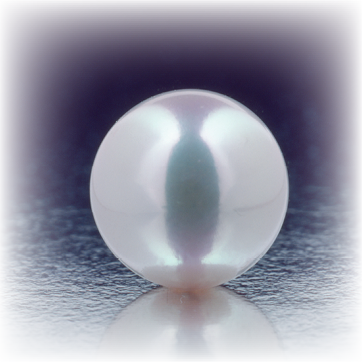
In Podicle #16, David and Jane start a four-part series on pearls, exploring the fascinating world of cultured pearls, tracing their history from ancient appreciation to modern production. In Part One, they examine the pivotal role of Mikimoto, the biological formation of pearls, distinguish between saltwater and freshwater varieties, and finish by looking at the culturing process, and the grading methods.
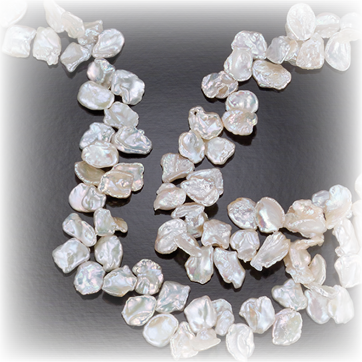
In Podicle #17, David and Jane continue looking at pearls. In Part Two, they switch their attention to freshwater pearls, focusing on their cultivation, evolution, and current practices. They will also examine the value factors, farming, and processing methods employed in China, which dominates the global freshwater market.
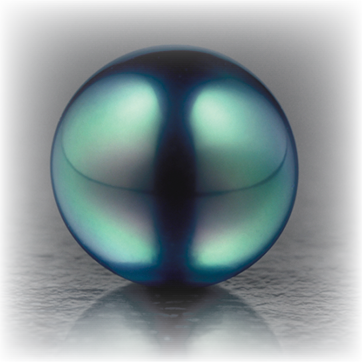
In GT Podicle #18 (Part Three), David and Jane look at black pearls, focusing primarily on Tahitian pearls, Fijian black pearls, and Sea of Cortez pearls. During this Podicle, they will trace the history and rise to prominence of Tahitian pearls, detailing their culturing process, from nucleation to harvest, and explain the factors that influence their value.
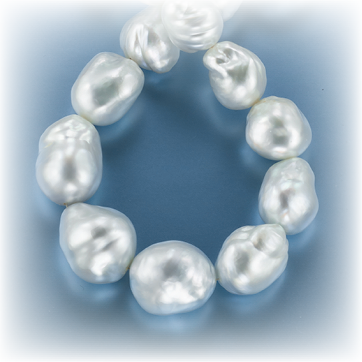
In GT Podicle #19 (Part Four), David and Jane turn their attention to the exotic world of South Sea pearls, with particular emphasis on their cultivation, their characteristics, and the unique position they hold in the pearl market. Primarily farmed in Australia, the Philippines, and Indonesia, they will discuss their historical development, farming techniques, environmental considerations, and their key value factors.
In GT Podicle #20, David and Jane look at the ‘Anatomy of a Sale’, a comprehensive seven-step guide for achieving sales success, particularly within the gem and jewellery industry, advocating that successful selling is by design, not chance. It highlights the critical importance of product knowledge and professional sales training as investments that lead to increased sales, profitability, and employee loyalty.

To download the article as a non-printable PDF, please click here.
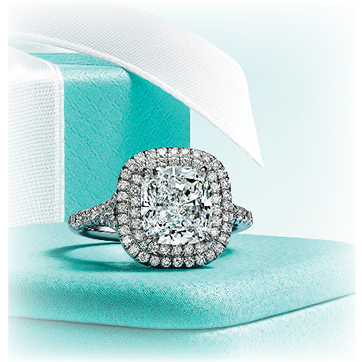
In GT Podicle #21, David and Jane discuss the crucial role of branding in business success, highlighting its ability to foster awareness, consistency, and customer loyalty. They outline advantages such as increased recognition and trust, alongside disadvantages like becoming commonplace or suffering from negative associations. They also examine the financial impact of strong brands, referencing top global companies and detailing how brand equity influences pricing and consumer perception, particularly within the gem and jewellery sector.
To download the article as a non-printable PDF, please click here.
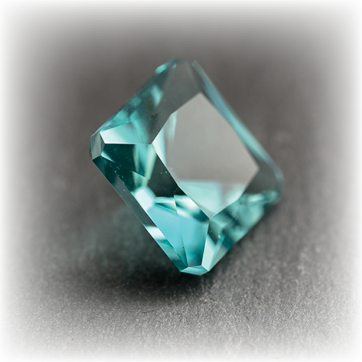
In GT Podicle #22, David and Jane dive into a comprehensive overview of coloured gemstone cutting, explaining the various stages of gem cutting, the complex decision-making a lapidary faces, and the evolution of the industry, from traditional handcraft to the emergence of automation, and the economic significance of gemstone manufacturing clusters around the world.
To download the article as a non-printable PDF, please click here.
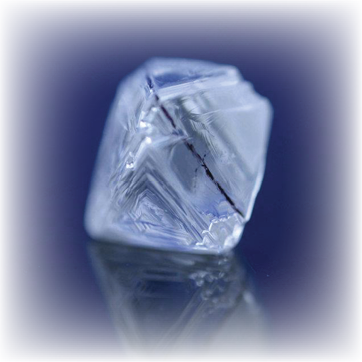
In GT Podicle #23, David and Jane take a comprehensive look at diamond cutting by exploring the various cuts, including the widely popular round brilliant cut, while also acknowledging the significant influence of Marcel Tolkowsky’s work on ideal proportions. In addition to looking at the modern advancements in cutting, they will dive into the practical aspects of diamond cutting, including cleaving, sawing, bruting, and polishing, as well as factors influencing a diamond’s value like yield, shape, and the impact of recutting damaged or poorly proportioned stones.
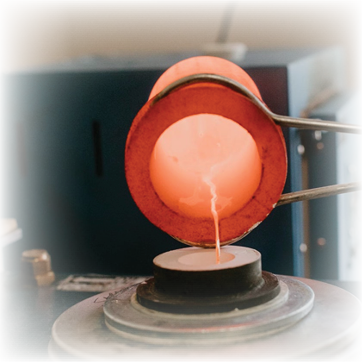
In GT Podicle #24, David and Jane discuss the various jewellery manufacturing techniques, focusing on wax carving, the lost wax casting process, and methods for mass-producing jewellery using rubber and silicone moulds. They also explore the history, and essential tools required for wax carving, the step-by-step process for converting a wax model into a precious metal piece, and the steps needed to prepare a metal model for moulding.
To download the article as a non-printable PDF, please click here.
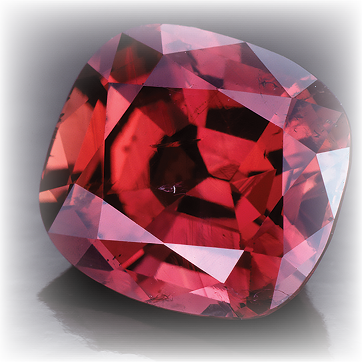
In GT Podicle #25, David and Jane look at two gemstones; namely chrysoberyl and spinel. The first part looks at chrysoberyl highlighting its varieties, particularly the colour-changing alexandrite and the cat’s eye chrysoberyl, providing information on their physical properties, geological origins, and global localities like Russia and Brazil. The second part discusses spinel, noting its historical confusion with ruby and detailing its physical characteristics, various colours, and important sources such as Myanmar and Tanzania.
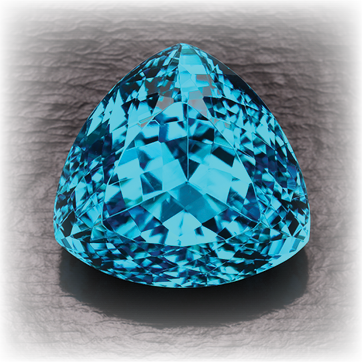
In GT Podicle #26, David and Jane look at two key silicate gemstones, zircon and topaz, outlining their distinct chemical, optical, and physical characteristics. Both gemstones are discussed in terms of their geographical origins, formation in igneous and sedimentary environments, the misconceptions about zircon, the often misleading use of the term ‘topaz’, and the common practice of routine heat treatment to achieve desirable colours like blue zircon or pink topaz.
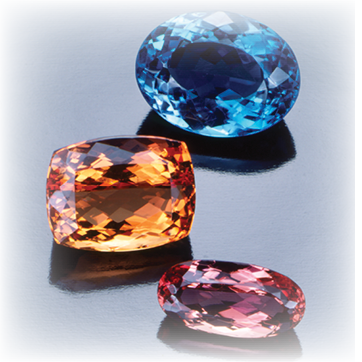
GT Podicle #27 focuses on tourmaline, a multifaceted mineral group celebrated for its extraordinary spectrum of colours and unique geological history across the Gondwana continents. David and Jane discuss the 1989 discovery of Paraíba tourmaline in Brazil, a rare copper-bearing variety that now commands market prices rivalling the finest rubies and diamonds, give an overview of the five primary species, the specialized scientific equipment needed to distinguish between similar-looking specimens from South America and Africa based on trace elements, common enhancement treatments, and specific care requirements.
GT Podicle #28 focuses on peridot, exploring its historical significance from ancient Egypt to the Middle Ages, its mineralogical properties, geological origins, primary global deposits, physical and optical properties, common internal inclusions, and essential care instructions. It also offers a market comparison that highlights the stone’s competitive value against other green jewels like demantoid garnet.
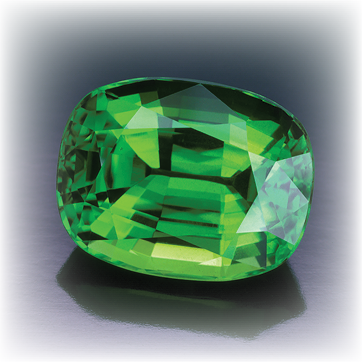
GT Podicle #29 provides a comprehensive technical and geological overview of the quartz family, categorising it into macro-crystalline, crypto-crystalline, and jasper varieties. It examines the mineral’s physical properties, the numerous gemstone varieties based on their colouring mechanisms, including heat treatment and metallic trace elements, global mining locations, and addresses practical industry considerations, offering guidance on gemstone care, synthetic identification, and market pricing for various qualities of quartz.
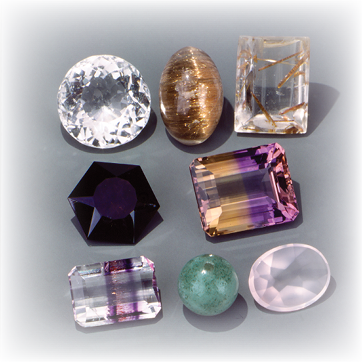
GT Podicle #30 focuses on tanzanite, a rare gemstone uniquely found in the Merelani Hills of Tanzania. It explores the stone’s physical properties, its geological formation, the complexities of modern mining operations, traces its history from indigenous Maasai legends to its 1967 discovery, the critical role of Tiffany & Co. in marketing the gem and its eventual designation as a December birthstone. Furthermore, it examines market value, noting that despite its scarcity, tanzanite remains more affordable than blue sapphire.
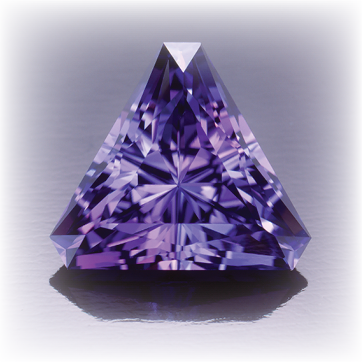
GT Podicle #31, focuses on the fascinating world of garnets and why it is one of the most under-rated gems in the market. Our hosts discuss how isomorphous replacement creates a diverse range of chemical compositions, they outline the essential physical and optical properties for different species, diagnostic internal characteristics such as ‘horsetail’ inclusions found in demantoid garnet, the geological origins and primary global mining locations, and market pricing data, highlighting that premium varieties like tsavorite, demantoid, mandarin and colour change garnets command significantly higher values than traditional red stones.
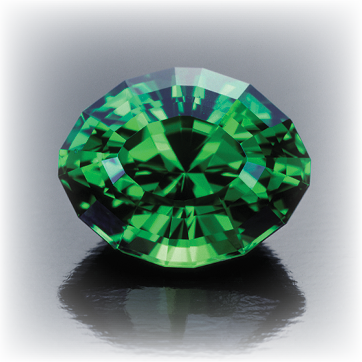
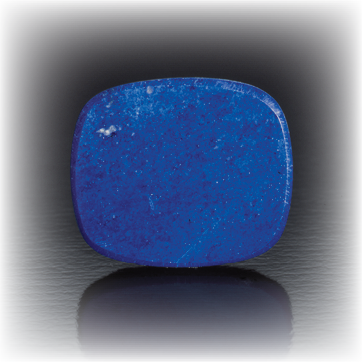
GT Podicle #32, explores the historical significance, physical properties, and cultural lore of lapis lazuli. Our hosts explain how this metamorphic rock has been utilised since antiquity for royal ornaments, religious pigments, and medicinal purposes. They also provide specific gemmological data, including its mineral composition, geological formation, and the primary mining regions such as Afghanistan. Additionally, they address modern considerations like synthetic versions, common dye treatments, and market valuation based on colour intensity and inclusions, and practical maintenance advice, warning against the use of heat or chemicals due to the stone’s porous nature.
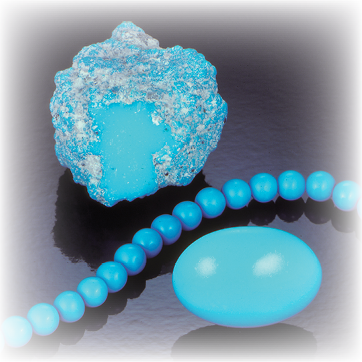
In GT Podicle #33, our hosts David and Jane talk about turquoise, a gemstone valued for millennia as a symbol of luck. They discuss its
geological formation, and its copper-heavy chemical structure. Next, they explain the historic and modern sources, such as Iran and the south-western
United States, while outlining specific physical properties like its waxy lustre and opaque transparency. Finally, they look at common enhancements,
the production of lab-created alternatives, the impact of limonite inclusions on market value, and essential care instructions.
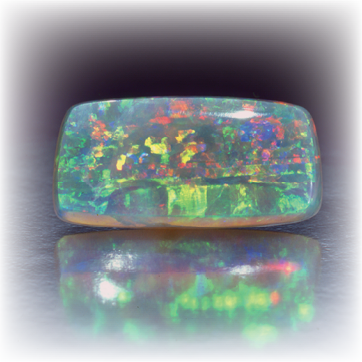
In GT Podicle #34, David and Jane take a comprehensive look at the geological formation, historical lore, and global distribution of opals, primarily focusing on Australia’s dominant role in the industry. They explain the scientific theories of opalization and the specific physical properties that define these ‘stones of mystery,’ such as their unique diffraction of light. They also focus on the mining techniques, the emerging markets like Ethiopia and the rigorous classification of opal varieties, distinguishing between precious, common, and fire opals based on their body tone and optical patterns.